Surabaya doesn’t get the attention Jakarta or Bali do, and that’s exactly what makes it worth a serious look if you’re considering a move to Indonesia. It’s the country’s second-largest city and East Java’s economic engine — genuinely affordable, well-connected, increasingly foreigner-friendly, and large enough to offer real infrastructure without the traffic and cost pressure of the capital. This guide pulls together everything we’ve covered on relocating to and living in Surabaya, organized so you can jump straight to whatever stage of the process you’re in.
Why Surabaya
Compared to Jakarta, Surabaya offers a noticeably lower cost of living, less overwhelming traffic, and a more manageable pace, while still delivering international schools, private hospitals, established expat neighborhoods, and a genuine business economy built on trade, shipping, and manufacturing. It’s not a resort town like Bali — it’s a real, working city, which is precisely why it suits people relocating for work, family, or a longer-term base rather than a lifestyle escape.
Cost & Money
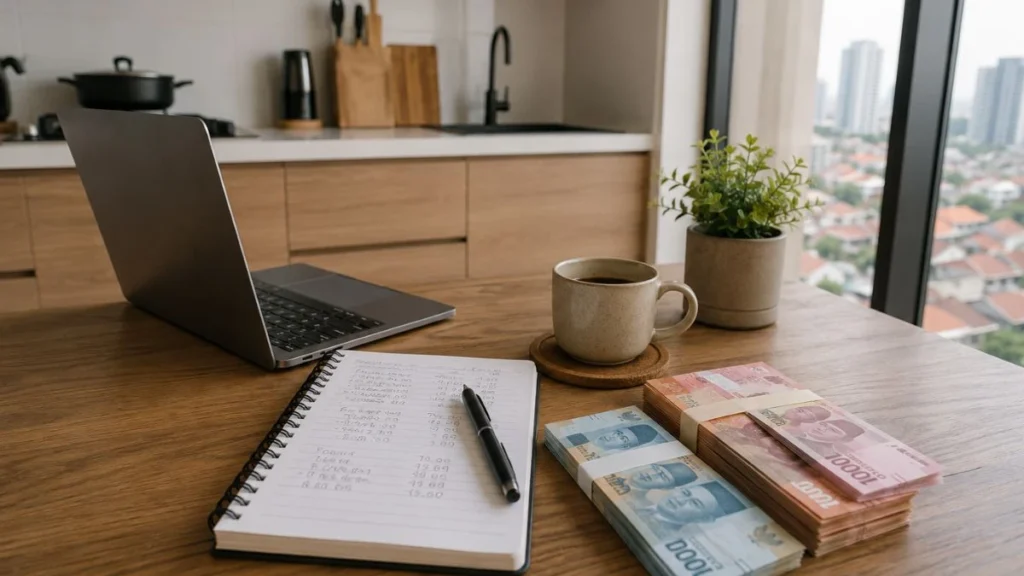
Understanding what things actually cost is the natural starting point for any relocation. Our cost of living breakdown covers realistic monthly budgets for singles and families, while average rent by area and property type breaks down housing costs specifically, since it’s the single biggest line item in most budgets. Once you’re ready to handle money locally, opening a bank account as a foreigner and understanding how payments actually work day to day — cash, cards, or QRIS — round out the financial picture.
Where to Live
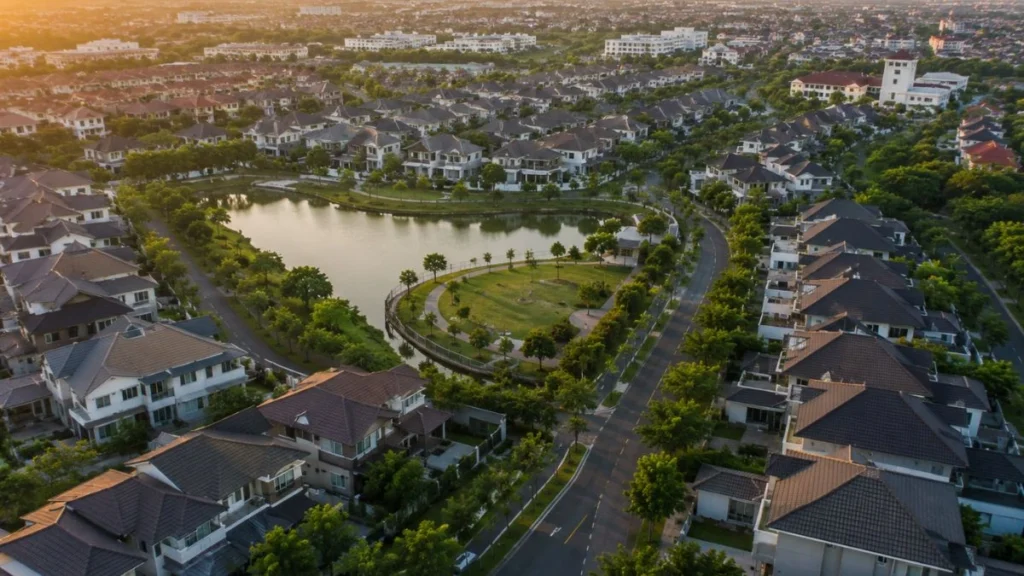
Surabaya splits into genuinely distinct zones, each suited to a different kind of resident. Start with our overview of the best neighborhoods, then dig into the specific comparison of West, East, and Central Surabaya to understand the tradeoffs. If you’re trying to decide based on lifestyle rather than geography, family-friendly vs. young professional areas reframes the same decision around who you actually are. Once you’ve picked a direction, our renting guide for foreigners walks through contracts, deposits, and the practical process of securing a place.
Daily Life & Admin
The unglamorous logistics that make daily life actually work: getting a SIM card and internet set up, understanding which hospitals and clinics foreigners commonly use, evaluating schooling options for expat families, and figuring out where to buy groceries without overpaying for imported goods you don’t actually need.
Getting Around
Surabaya is navigable without owning a vehicle, and our transportation guide covers buses, ride-hailing, and taxis in detail. Because traffic genuinely shapes daily life here, it’s worth understanding when the city’s congestion actually peaks before you commit to a commute. If you’re weighing independence over ride-hailing convenience, our car and motorbike rental guide covers the legal requirements and realistic costs.
Work & Culture
Settling in professionally means understanding how Surabaya’s business culture actually operates — our guide to working culture in the city’s business and industrial sector covers the hierarchy and communication patterns that shape daily professional life, while office etiquette gets specific about day-to-day behavior. Round it out with Indonesia’s public holidays and work-week rhythm so your calendar expectations match reality.
How to Use This Guide
If you’re still deciding whether to move, start with cost of living and neighborhoods — those two factors shape almost every other decision. If you’ve already committed and are in active planning mode, work through daily life and admin in order: SIM card and banking first, then healthcare and schooling if relevant. If you’re already here and adjusting, the work and culture section will save you the most friction, the fastest.
FAQ
Is Surabaya a good choice for a foreigner relocating to Indonesia?
For many people, yes — it offers a genuinely lower cost of living than Jakarta or Bali’s expat hubs, solid infrastructure (schools, hospitals, international-standard housing), and a real, functioning local economy rather than a purely tourist-driven one.
How long does it typically take to settle into daily life in Surabaya?
Most newcomers report feeling functionally settled — SIM card, bank account, housing, basic routines — within a few weeks, with the deeper adjustment to local business and social culture taking a few months longer.
Is Surabaya suitable for families with children?
Yes — West Surabaya in particular is built around family needs, with a real concentration of international and national plus schools, though it comes with a rent premium worth budgeting for.
Do I need to speak Indonesian to live comfortably in Surabaya?
Not strictly, especially in West Surabaya’s more international-facing areas, but even basic Indonesian meaningfully smooths daily interactions — traditional markets, casual transport interactions, and smaller local businesses in particular.