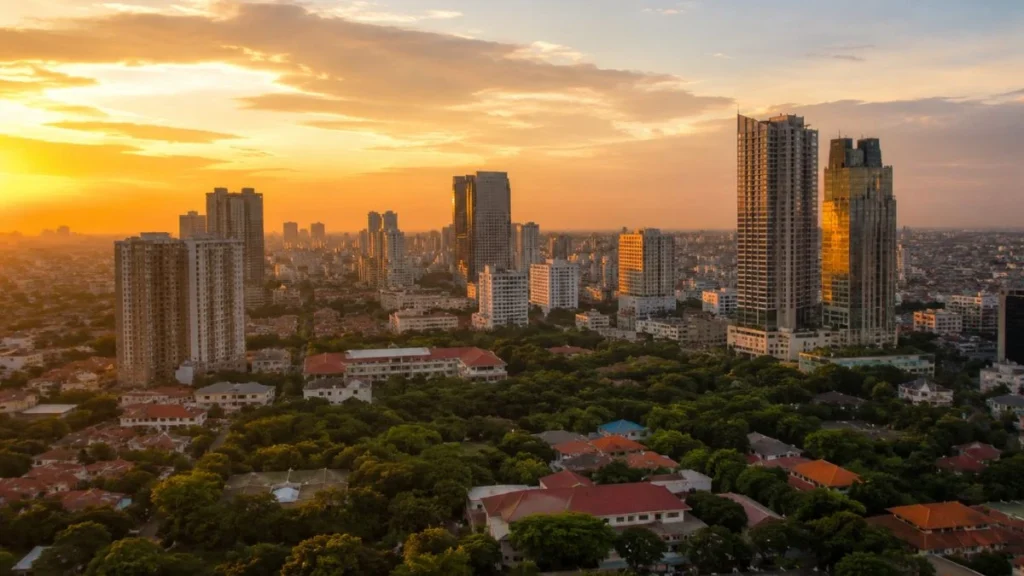
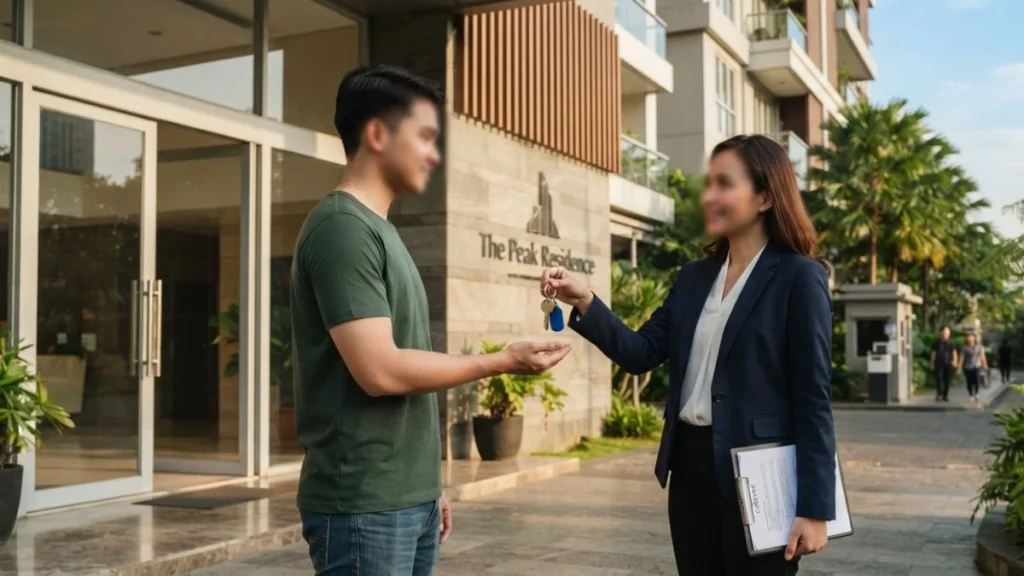
Renting in Surabaya as a foreigner is genuinely manageable — no citizenship restrictions block you from signing a lease, and the process is more informal than in many Western rental markets. What trips people up isn’t legal barriers; it’s not knowing the local conventions around deposits, contracts, and negotiation that experienced residents take for granted.
Finding a Property
Most foreigners find housing through one of three channels: a local real estate agent (increasingly common and often the smoothest route for newcomers unfamiliar with the market), online property platforms like Rumah123 or Lamudi, or word of mouth through expat community groups and coworkers, particularly effective once you’ve been in the city a short while. Agents typically don’t charge the tenant directly — their commission usually comes from the landlord — so using one costs you nothing extra and saves considerable time navigating listings and viewings.
The Contract
Lease agreements in Surabaya are generally written in Bahasa Indonesia, sometimes with an English translation available on request — if the agent or landlord doesn’t offer one, it’s worth asking, or having a trusted local contact review the terms before you sign anything. Key terms to confirm explicitly:
- Lease duration — commonly offered as annual contracts, though monthly arrangements exist at a price premium, as covered in our rent prices guide
- What’s included — confirm whether utilities, internet, or management/service fees are bundled into rent or billed separately
- Renewal terms — whether the rent is fixed for a set period or subject to increase at renewal, and how much notice either party must give before ending the lease
- Furnishing status — unfurnished, semi-furnished, and fully furnished are all common categories in Surabaya, and pricing varies meaningfully between them
Deposits
A refundable security deposit equivalent to one to two months’ rent is standard practice, paid upfront alongside your first rent payment. Get a written receipt for any deposit paid, and clarify in advance the specific conditions under which deductions might be made at move-out (damage beyond normal wear, unpaid utility bills, etc.) — this avoids disputes later, since verbal-only agreements are harder to enforce if a disagreement arises.
Negotiating Rent
Rent in Surabaya is genuinely negotiable, more so than in many rental markets — landlords often prefer a longer lease commitment over a higher monthly rate, so offering to sign for a full year upfront, or paying several months in advance, can meaningfully lower the quoted price. This is particularly true for houses and townhouses rather than managed apartment buildings, where pricing tends to be more fixed.
Documents You’ll Typically Need
- Passport as identification
- KITAS, if you have one — not always strictly required, but often requested and generally smooths the process considerably
- Proof of income or employment, sometimes requested, particularly for higher-end properties or longer leases
- A local contact or sponsor reference can help in some cases, particularly if you’re renting without a KITAS yet
Common Pitfalls to Avoid
Signing without a walkthrough inspection — document the property’s existing condition (photos are simple and effective) before move-in, to protect your deposit at move-out.
Assuming utilities are included — confirm explicitly rather than assuming, since this varies significantly between properties and can meaningfully affect your actual monthly cost, covered further in our cost of living guide.
Skipping the written contract for an informal handshake deal — even with a trusted agent or landlord, a written agreement, however simple, protects both parties and is worth the modest extra effort.
Not clarifying the exit process — understand notice periods and any penalties for breaking a lease early before you sign, particularly if your stay duration in Surabaya isn’t fully certain yet.
FAQ
Can foreigners legally rent property in Surabaya?
Yes — there’s no citizenship restriction on renting residential property as a tenant in Indonesia; foreigners rent apartments and houses throughout Surabaya without special legal barriers.
Do I need a KITAS to rent an apartment in Surabaya?
Not always strictly required, but having one generally smooths the process and may be requested by landlords or agents, particularly for longer leases.
Is it normal to negotiate rent in Surabaya?
Yes — rent is genuinely negotiable, especially for annual leases on houses and townhouses, where landlords often favor longer commitments over higher monthly rates.
What should I do if my lease contract is only in Indonesian?
Ask for an English translation, or have a trusted local contact review the terms before signing — understanding the full contract, not just the headline rent figure, protects you from misunderstandings later.