Walk through Surabaya for even a day and you’ll notice the nickname everywhere — on government buildings, taxi decals, museum signage, school murals. Kota Pahlawan, “City of Heroes,” isn’t a marketing slogan; it’s a title the city earned through a specific, well-documented act of resistance that became one of the defining moments of Indonesia’s independence struggle.
The Battle That Earned the Name
In the weeks following Indonesia’s August 1945 declaration of independence, Allied forces arrived in Surabaya, and rising tensions erupted into full conflict. The resulting Battle of Surabaya on November 10, 1945, saw fierce, sustained resistance from Surabayan fighters and civilians against a much better-equipped Allied military force — a fight the city’s defenders were never expected to win outright, but one whose intensity and cost shocked international observers and galvanized both domestic and global support for Indonesian independence.
This single battle is why November 10 became Hari Pahlawan (Heroes’ Day), observed nationally across Indonesia — but the title “City of Heroes” belongs specifically and permanently to Surabaya, where the fighting actually took place.
What the Title Represents Today
The “City of Heroes” identity runs deeper than a single historical event — it’s become shorthand for a broader character locals associate with the city: directness, resilience, and a certain fearlessness. This connects to how outsiders often describe Surabayans compared to other Javanese communities — more outspoken and less bound by the layered formality found elsewhere on the island, a trait many locals trace directly back to the spirit of 1945.
Landmarks That Carry the Legacy
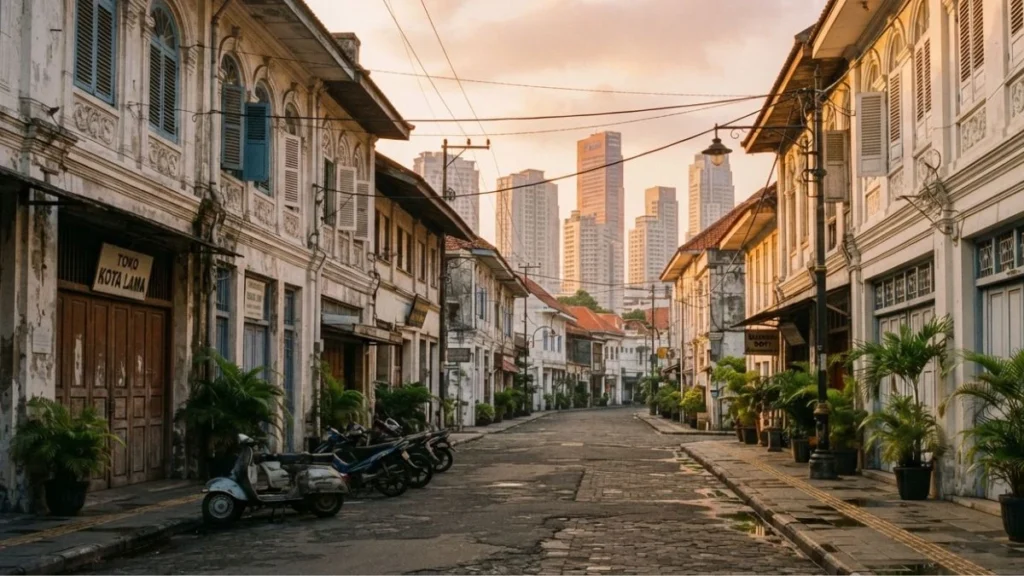
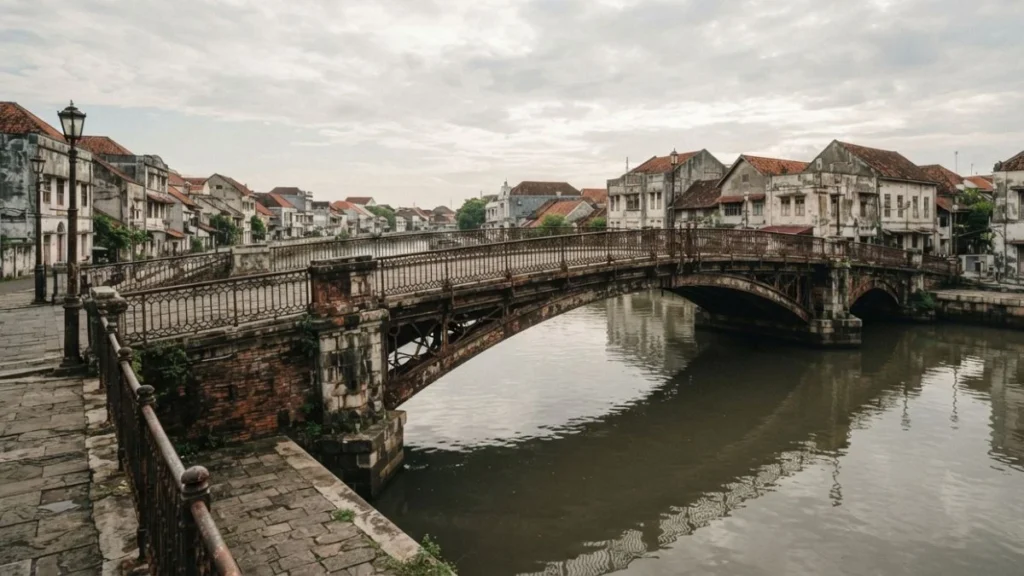
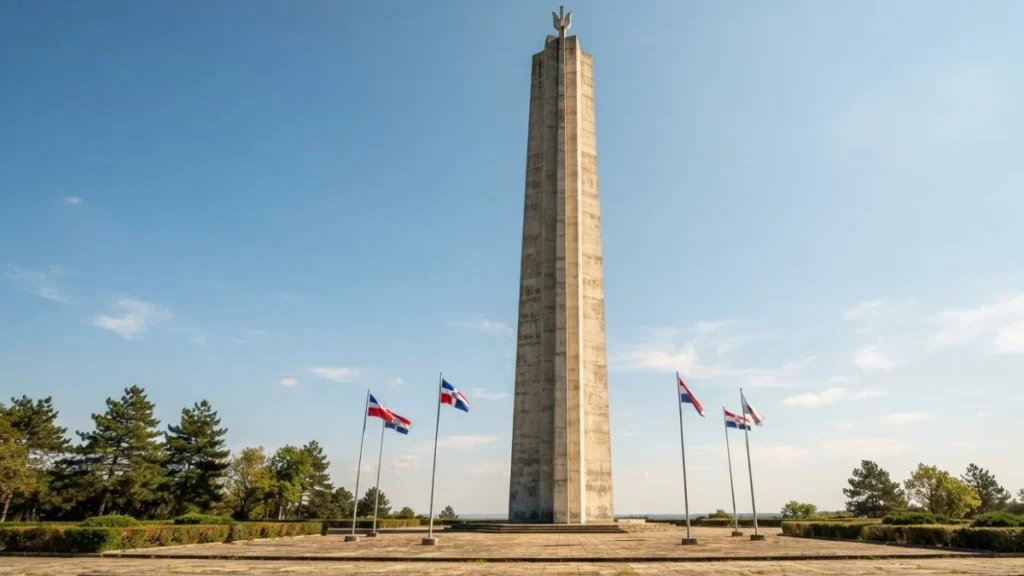
Several of Surabaya’s most visited sites exist specifically to preserve and honor this history. The Heroes Monument (Tugu Pahlawan), a 135-foot structure in the city center, stands as the most visible physical symbol of the title, paired with the underground 10 November Museum, which documents the battle in detail. Ampel and Kembang Jepun, the historic districts where much of the fighting and pre-war community life took place, still carry visible traces of this era in their layout and architecture.
Hari Pahlawan (Heroes’ Day) Today
Every November 10, Surabaya hosts the country’s most significant Heroes’ Day commemorations — flag ceremonies, wreath-laying at Tugu Pahlawan, and citywide observances that draw visitors and dignitaries from across Indonesia. If your visit happens to fall around this date, it’s worth building time into your itinerary to witness it; it’s one of the few moments where Surabaya’s historical identity becomes a fully public, citywide event rather than something you encounter only in a museum.
FAQ
What does “Kota Pahlawan” mean?
It translates directly to “City of Heroes,” a title earned by Surabaya for its fierce resistance during the Battle of Surabaya on November 10, 1945, a pivotal moment in Indonesia’s independence struggle.
Is Hari Pahlawan (Heroes’ Day) celebrated only in Surabaya?
It’s observed as a national holiday across Indonesia, but Surabaya hosts the most significant commemorations specifically because the battle that inspired the holiday took place there.
Why do Surabayans have a reputation for being direct and outspoken?
Many locals and outside observers connect this trait to the city’s history of resistance and independence — a cultural self-image reinforced by the “City of Heroes” identity, distinct from the more formally hierarchical reputation of some other Javanese cities.
What’s the best way to learn about this history as a visitor?
Visiting Tugu Pahlawan and the underground 10 November Museum together gives the most complete picture — see our top attractions guide for practical visiting details.