You can visit Surabaya, or even live there for years, without ever fully understanding why it feels the way it does — direct where other Javanese cities are formal, proud in a way that traces back to a single battle in 1945, and layered with more ethnic and religious diversity than its size might suggest. This guide brings together everything we’ve covered on the city’s history, identity, and culture, for anyone who wants to understand Surabaya rather than just navigate it.
History & Origins
Surabaya’s story runs far deeper than its wartime reputation. Our guide to the history of Surabaya traces the city from its 1293 Majapahit-era founding through Dutch colonial rule to the present day. From there, why Surabaya is called “Kota Pahlawan” unpacks the specific 1945 battle that earned the city its defining nickname, while the legend behind Surabaya’s name covers the shark-and-crocodile founding myth that gives the city its symbol and, arguably, its name.
People & Language
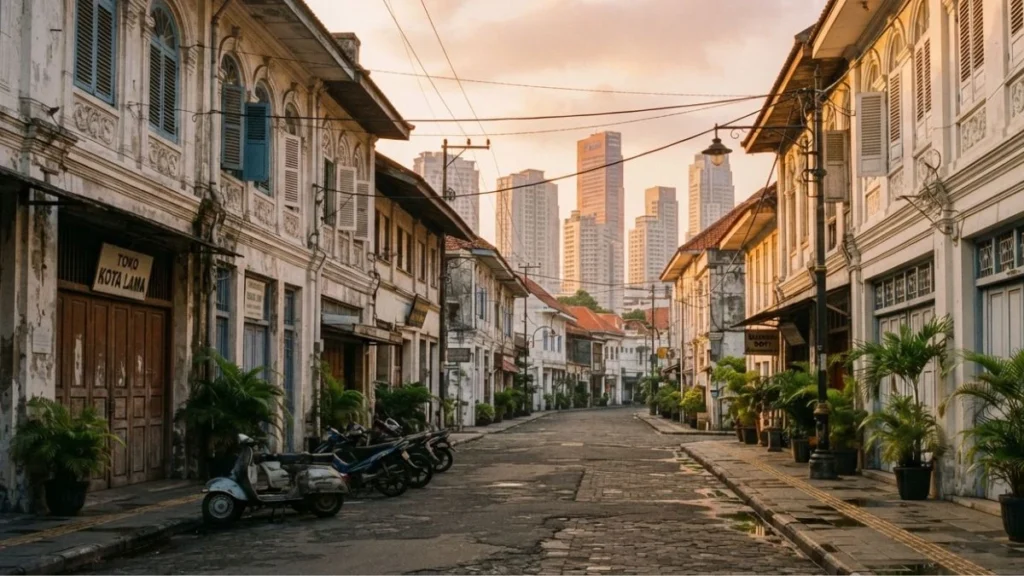
Understanding who Surabayans are starts with the Arek Suroboyo identity — the city’s self-image as direct, egalitarian, and unpretentious. That character shows up linguistically in Suroboyoan, the local Javanese dialect, and demographically in the layered mix of Javanese, Madurese, Chinese, and Arab communities that have shaped the city’s trade, neighborhoods, and culture for centuries.
Customs & Social Life
Day-to-day life in Surabaya runs on its own social logic. Our guide to everyday etiquette and social norms covers how directness, respect, and hospitality actually play out in practice, while religion and religious life in Surabaya explores the city’s genuine religious diversity, anchored by significant Islamic heritage but extending well beyond it.
Arts & Symbols
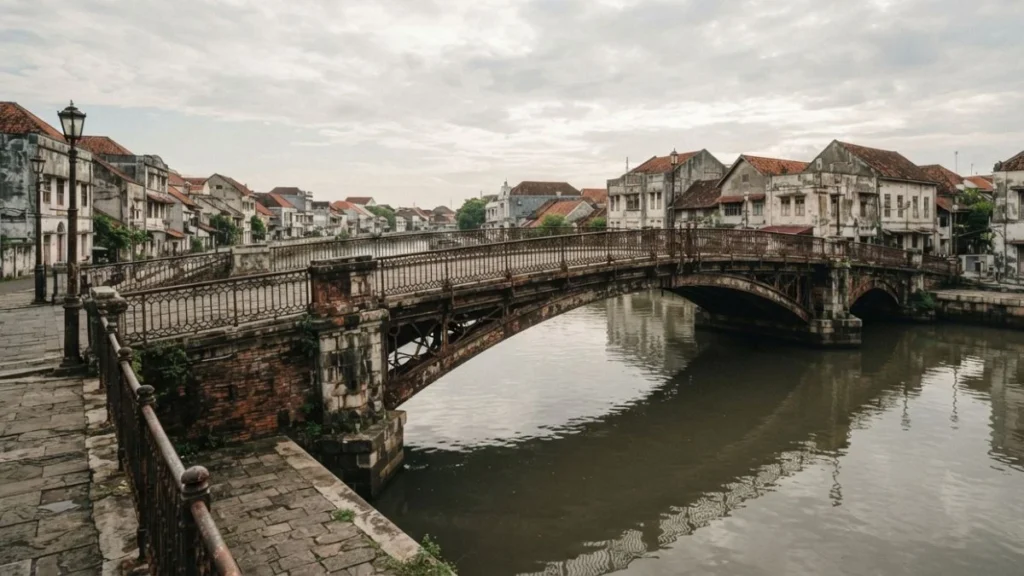
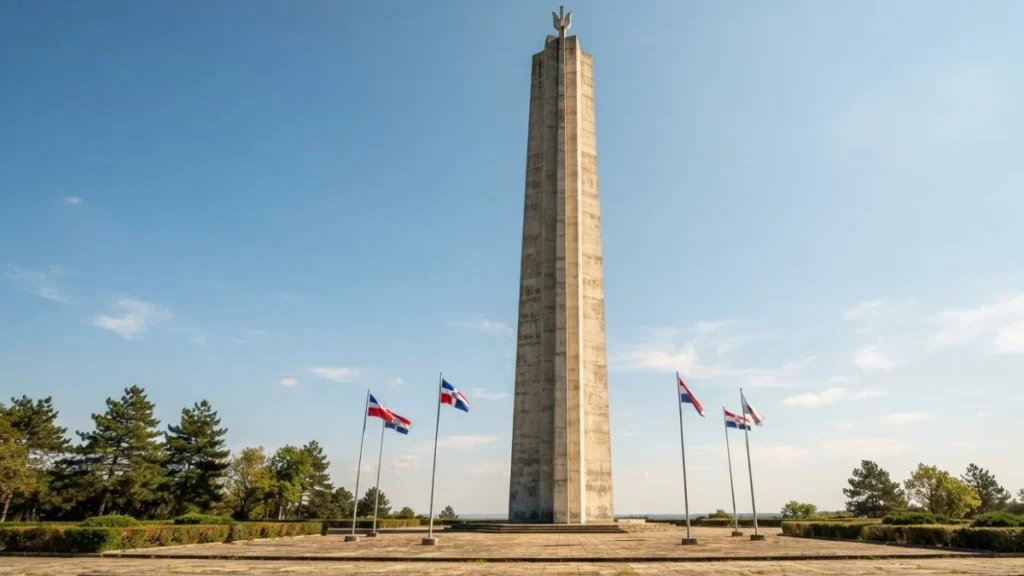
Surabaya’s cultural expression has its own distinct voice. Ludruk and Remo introduce the city’s traditional working-class folk theater and welcome dance, while Surabaya’s symbols and landmarks explained ties the city’s most recognizable sights — from Tugu Pahlawan to Suramadu Bridge — back to the identity threads covered throughout this guide.
How to Use This Guide
If you’re planning a trip and want more than a checklist of attractions, start with the history and symbols sections — they’ll make everything you see on the ground mean more. If you’re relocating and want to understand the people you’ll be working and living alongside, the people, language, and social etiquette sections are the most immediately useful. And if you’re simply curious about what makes Surabaya distinct from the rest of Java, the arc from history through identity to modern symbols tells that story in full.
FAQ
Why is Surabaya called the “City of Heroes”?
Because of the Battle of Surabaya on November 10, 1945, a fierce resistance against Allied forces that became a defining moment in Indonesia’s independence struggle — see our full explanation for the complete story.
What makes Surabaya’s culture different from other Javanese cities?
Surabaya’s identity is notably more direct and egalitarian than the more formally hierarchical traditions found in Central Javanese cities like Yogyakarta or Solo, reflected in both its Suroboyoan dialect and its broader social norms.
Is Surabaya ethnically and religiously diverse?
Yes, genuinely so — centuries as a multicultural trading port left the city with significant Javanese, Madurese, Chinese, and Arab communities, alongside real religious diversity spanning Islam, Christianity, Buddhism, Hinduism, and Confucianism.
Do I need to understand Surabaya’s history to enjoy visiting it?
Not strictly, but it adds considerable depth — landmarks like Tugu Pahlawan, Jembatan Merah, and the city’s historic ethnic quarters carry far more meaning once you understand the history and identity behind them.