Most visitors know Surabaya through a single date — November 10, 1945 — but the city’s story stretches back more than 700 years before that battle ever happened. Understanding that longer arc explains a lot about how Surabaya sees itself today: not just as a site of heroic resistance, but as one of Southeast Asia’s oldest continuously important trading ports.
The Majapahit Era and the City’s Founding
Surabaya’s official founding is dated to May 31, 1293, tied to a Majapahit military victory led by Raden Wijaya on the coastal plain of eastern Java. The city subsequently enjoyed centuries of prosperity under Majapahit rule, developing as a port town at a strategically valuable position where the Mas River meets the Madura Strait — a geography that would shape its identity as a trading city for the next several centuries.
Colonial Surabaya
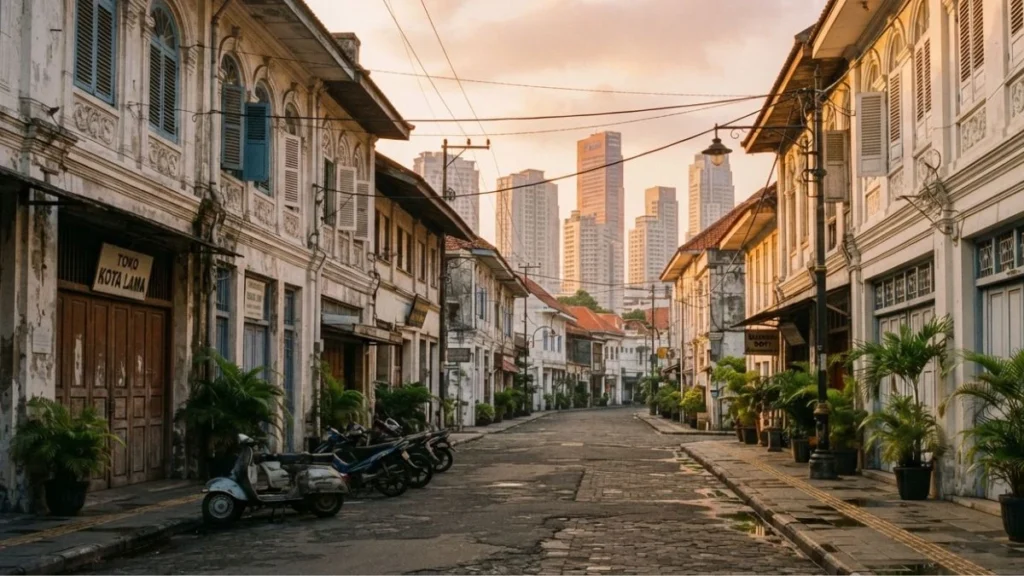
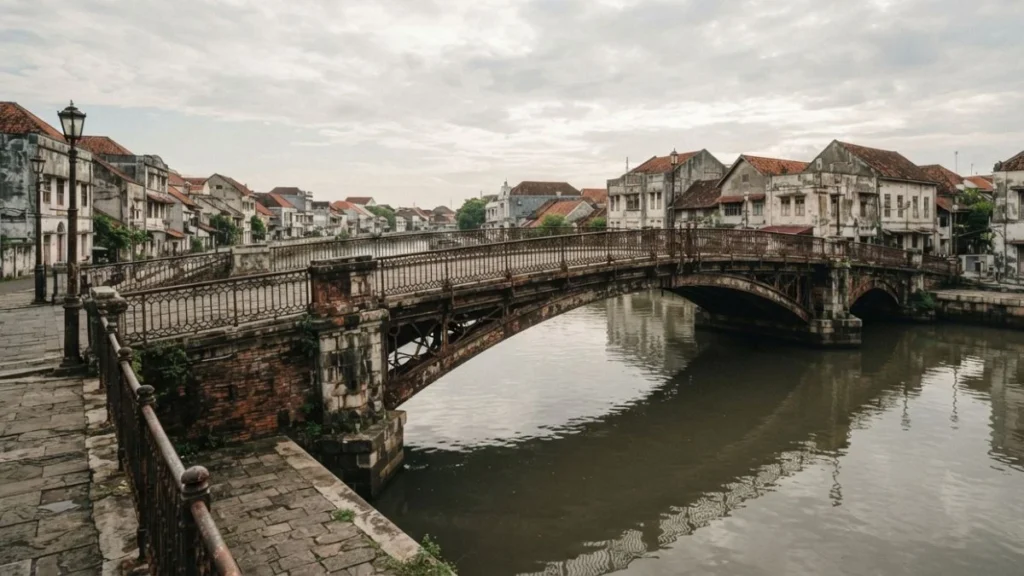
Surabaya came under the control of the Dutch East India Company (VOC) on November 11, 1743, following an agreement between the Mataram Kingdom and the Dutch. Development through the early 1900s concentrated on the western side of what’s now called the Red Bridge (Jembatan Merah), where the European population settled, while Surabayans lived on the eastern side alongside Chinese and Arab communities — a division that gave rise to the distinct historic quarters, like Kembang Jepun (Chinatown) and the Ampel area, that still define parts of the city today.
Under Dutch rule, Surabaya grew into one of the most important port cities in the Dutch East Indies, developing significant trade, shipping, and industrial infrastructure — much of the colonial-era architecture that survives today, including buildings like House of Sampoerna, dates from this period.
The Battle of Surabaya and Independence
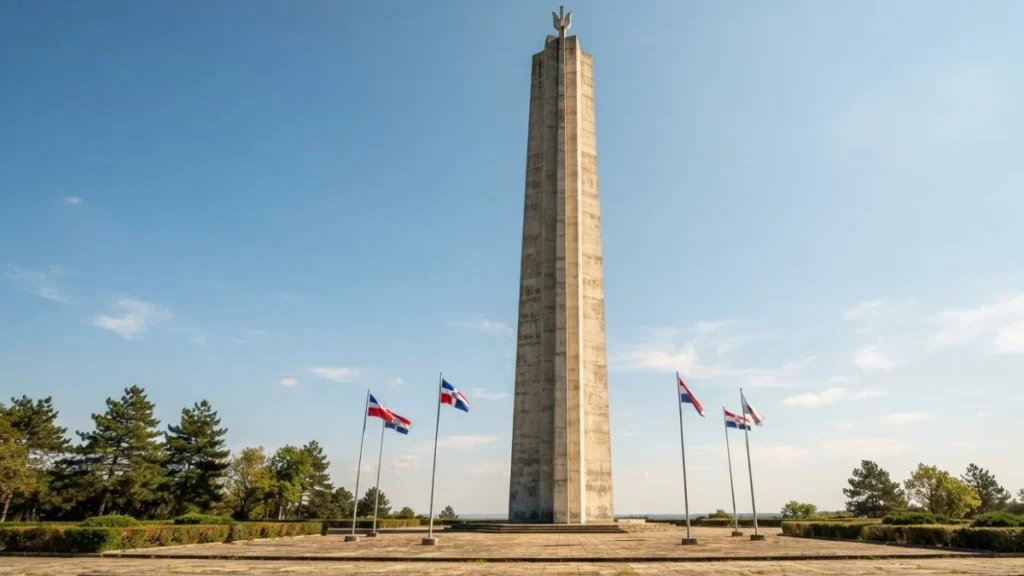
The event that defines Surabaya’s modern identity took place shortly after Indonesia’s declaration of independence in August 1945. When Allied forces arrived in Surabaya in October 1945, tensions escalated into open conflict, culminating in the Battle of Surabaya on November 10, 1945 — a fierce, costly resistance by Surabayan fighters and civilians against a far better-equipped Allied force. The battle didn’t end in a straightforward military victory for the Indonesian side, but its scale and intensity galvanized both domestic and international support for Indonesian independence, cementing Surabaya’s reputation as a city that fought hardest, and paid the highest price, for the republic’s founding.
This is why November 10 is observed nationally as Hari Pahlawan (Heroes’ Day) — not a Surabaya-specific holiday, but one whose origin story belongs entirely to this city.
Modern Surabaya
In the decades since independence, Surabaya has grown into Indonesia’s second-largest city and East Java’s economic center, built on the same trading and industrial foundations laid centuries earlier under Majapahit and Dutch rule. Today it functions as a major seaport, an industrial and manufacturing hub, and increasingly a smart-city technology leader — while its historic districts, from the old Dutch quarter to Kembang Jepun and Ampel, remain physically present and walkable, offering a rare chance to trace the city’s full arc in a single afternoon.
Why This History Matters for Visitors and Residents
Understanding this longer timeline reframes a lot of what you’ll see in Surabaya. The Heroes Monument and 10 November Museum make far more sense against the backdrop of a city with 700 years of prior trading history, rather than as an isolated wartime memorial. Likewise, the city’s ethnic diversity — Javanese, Madurese, Chinese, and Arab communities living in adjacent historic districts — traces directly back to the colonial-era settlement patterns described above.
FAQ
When was Surabaya founded?
Surabaya’s official founding date is May 31, 1293, tied to a Majapahit military victory — making it one of Indonesia’s oldest continuously significant port cities.
Why is November 10 important to Surabaya’s history?
It marks the Battle of Surabaya in 1945, a fierce resistance against Allied forces that became a defining moment in Indonesia’s independence struggle and the origin of Surabaya’s “City of Heroes” nickname.
What role did the Dutch play in Surabaya’s development?
Surabaya came under Dutch East India Company control in 1743 and developed significantly under Dutch colonial rule as a major port and trading city — much of the city’s surviving colonial architecture dates from this era.
Is Surabaya older than Jakarta?
Surabaya’s founding is traditionally dated to 1293, giving it a documented history stretching back further than many other major Indonesian cities, though direct comparisons depend on how each city’s founding is historically defined.