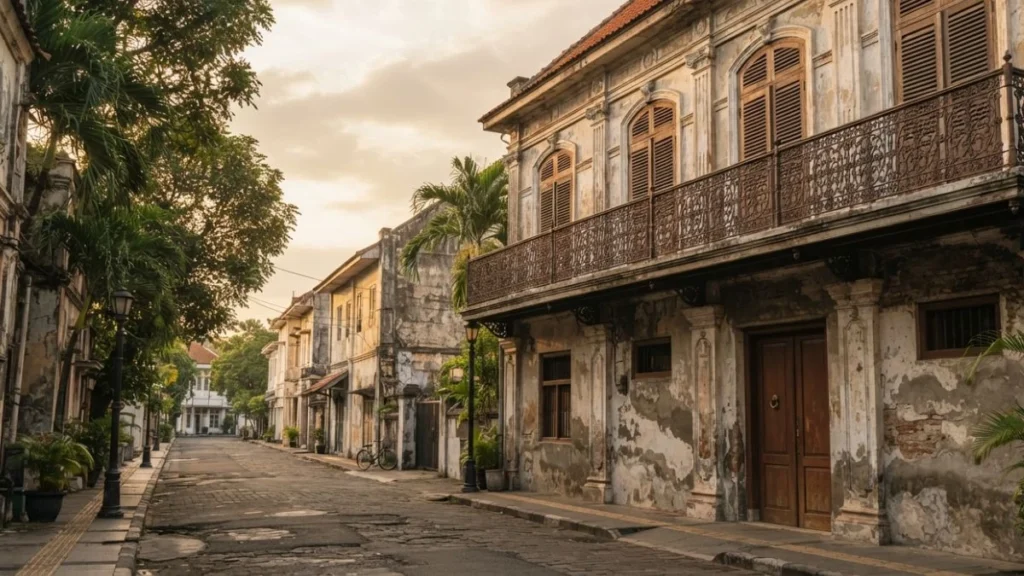
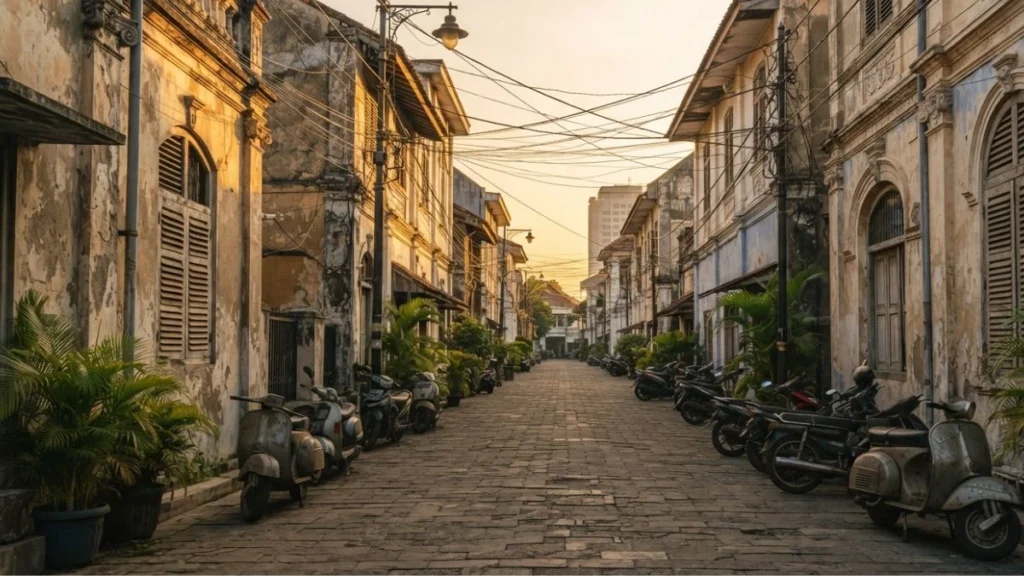
Beneath Surabaya’s malls, toll roads, and master-planned townships, there’s an older city still standing — weathered, imperfect, and largely overlooked by visitors who stick to the highlights. This guide is for anyone who wants to slow down and actually look: at the colonial trading houses quietly disappearing block by block, the museums preserving what the city has chosen to remember, and the neighborhoods that still carry the texture of a Surabaya that predates the one most people photograph.
Old Town & Colonial Heritage
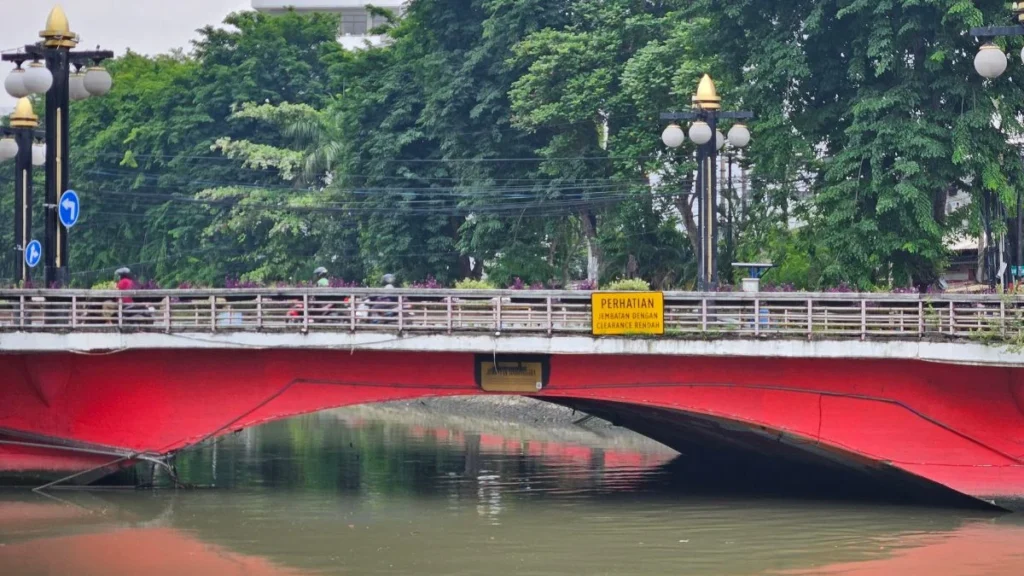
Start with Surabaya’s Old Town (Kota Lama), the Dutch-era trading district that once made this the wealthiest port city in the Dutch East Indies. Dig into the specific story behind Jembatan Merah, the Red Bridge, and understand why some of this heritage may not last — our guide to vanishing Surabaya buildings covers what’s disappearing, and why it’s worth seeing now.
Museums That Preserve Memory
Surabaya’s museums each preserve a different strand of the city’s past. Our roundup of the city’s best history museums covers everything from wartime archives to old banknotes, while House of Sampoerna gets a dedicated deep dive into its layered history as orphanage, factory, and museum all in one building.
Nostalgic Local Culture
Beyond formal landmarks, some of Surabaya’s most authentic old character survives in its neighborhoods and streets. Old Surabaya neighborhoods that still feel like the past covers Ampel, Kembang Jepun, and the city’s traditional kampung communities, while vintage Surabaya photo spots is a practical guide for anyone chasing faded signage, retro cafes, and genuine old-city texture with a camera.
Change & Memory
To understand what’s being preserved, it helps to understand what’s already changed — how Surabaya has transformed, then and now, traces the city’s shift from colonial trading port to modern metropolis, and what’s remained remarkably consistent despite it.
How to Use This Guide
If you’re planning a single dedicated day around Surabaya’s history and nostalgia rather than its modern attractions, start with the Old Town walking guide and pair it with House of Sampoerna — together they cover the most concentrated, walkable dose of the city’s preserved past. If you’re specifically chasing photography or atmosphere over formal history, the nostalgic local culture section is your best starting point. And if you want the full context for why any of this matters, the then-and-now piece ties the whole arc together.
FAQ
Where should I start if I only have half a day for Surabaya’s historic side?
Surabaya’s Old Town (Kota Lama), paired with House of Sampoerna — together they offer the most concentrated, walkable introduction to the city’s preserved colonial and commercial history.
Is Surabaya’s history well-preserved compared to other Indonesian cities?
It’s mixed — some sites, like House of Sampoerna and the major museums, are actively restored and maintained, while much of the Old Town’s original colonial architecture is aging without formal protection, discussed in our vanishing buildings guide.
Are Surabaya’s historic neighborhoods safe and welcoming to visit?
Yes — districts like Ampel and Kembang Jepun are active, populated communities, not abandoned relics, and generally welcoming to respectful visitors interested in their history and daily life.
Is this content relevant to people relocating to Surabaya, not just tourists?
Very much so — understanding the city’s layered history and how it has changed adds real depth to living in Surabaya, beyond the practical logistics covered in our Living in Surabaya guide.