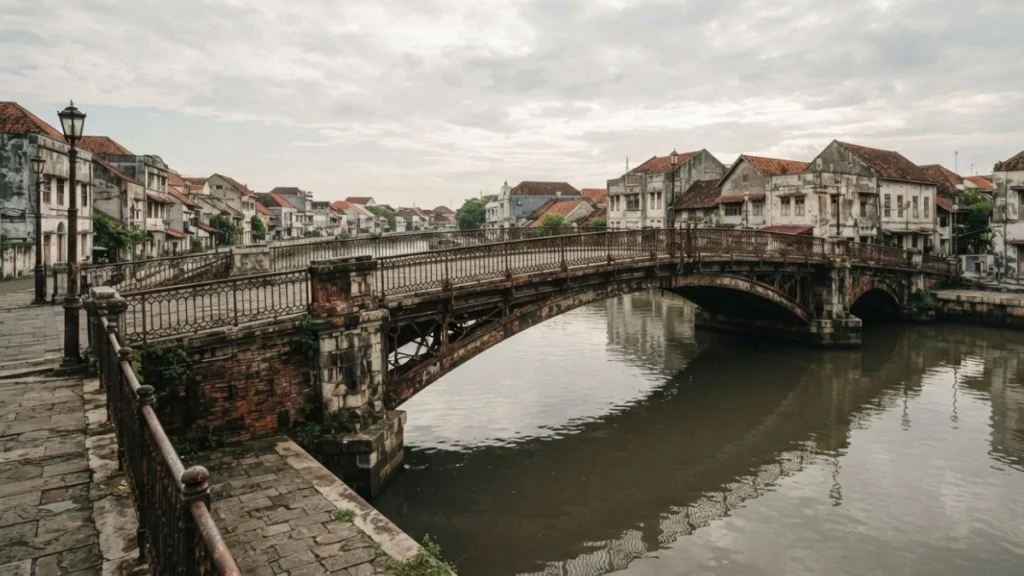

Arek Suroboyo — literally “kids of Surabaya” in the local dialect — is how Surabayans refer to themselves, and it carries far more cultural weight than a simple demonym. It describes a specific personality type as much as a place of origin: direct, egalitarian, unpretentious, and proudly resistant to the more rigid social hierarchies found elsewhere on the island of Java.
What “Arek” Actually Means
“Arek” is Suroboyoan dialect for “child” or “kid,” but in the context of “Arek Suroboyo” it functions more like “the people of Surabaya” — a term of belonging and pride rather than anything literal about age. Being called, or calling yourself, an Arek Suroboyo signals identification with the city’s particular social character, not just residency within its administrative boundaries.
The Egalitarian Streak
Surabayans have a reputation as free-spirited, outspoken, and bold — a notably different character from the more strictly hierarchical, aristocratic-influenced etiquette associated with Central Javanese cities like Yogyakarta or Surakarta. This shows up concretely in language: the local Suroboyoan dialect lacks the multiple formal speech levels that structure Javanese elsewhere on the island, reflecting a broader social instinct toward treating people as equals regardless of rank.
For visitors and newcomers, this egalitarian streak is one of the more immediately noticeable cultural traits — conversations with strangers tend to be more direct and less layered with formal deference than in some other parts of Java, and Surabayans generally appreciate straightforwardness in return.
Roots in the City’s History
This self-image connects directly to Surabaya’s status as “City of Heroes” — the fierce, unyielding resistance of the 1945 battle is frequently cited by locals as the origin of the Arek Suroboyo character: a people who don’t back down, speak their mind, and value action over formality. Whether the historical battle actually shaped the culture or simply reinforced an existing trait, the two identities — City of Heroes and Arek Suroboyo — are deeply intertwined in how Surabaya understands itself.
Bonek: A Cultural Extension
The Arek Suroboyo identity finds one of its most visible modern expressions in Bonek, the passionate, famously vocal supporter culture surrounding Surabaya’s football club, Persebaya. Bonek fan culture — the name itself derived from “Bondo Nekat,” roughly “reckless capital” or “all-in courage” — embodies the same directness, loyalty, and fearless energy associated with the broader Arek Suroboyo identity, and understanding Bonek culture offers a genuine, current-day window into what the older cultural traits actually look like in practice.
What This Means for Visitors
Understanding the Arek Suroboyo identity helps recalibrate expectations if you’re arriving in Surabaya after time elsewhere in Java. Directness that might read as blunt in a more formal Javanese context is simply normal here — locals are generally warm, direct, and unlikely to hide behind excessive politeness, a trait many visitors end up finding refreshing rather than off-putting once they understand it as cultural rather than personal.
FAQ
What does “Arek Suroboyo” literally translate to?
Literally “kids of Surabaya” in the local Suroboyoan dialect, though in practice it functions as a term of cultural identity and pride for people of Surabaya, not a literal reference to age.
Are Surabayans really more direct than other Javanese people?
This is a widely held and locally embraced self-perception — Surabaya’s dialect and social norms are generally more egalitarian and less layered with formal hierarchy than Central Javanese cities like Yogyakarta, contributing to a reputation for directness.
What is Bonek and how does it relate to Arek Suroboyo identity?
Bonek is the passionate supporter culture around Surabaya’s Persebaya football club, widely seen as a modern expression of the same fearless, loyal, and direct character associated with the broader Arek Suroboyo identity.
Is it appropriate for a foreigner to use the term “Arek Suroboyo”?
It’s generally received warmly as a sign of cultural interest and respect, though it’s a term of self-identification best used thoughtfully rather than claimed for yourself as an outsider.